
Refugee program
Refugee protection and representation before the IRB.
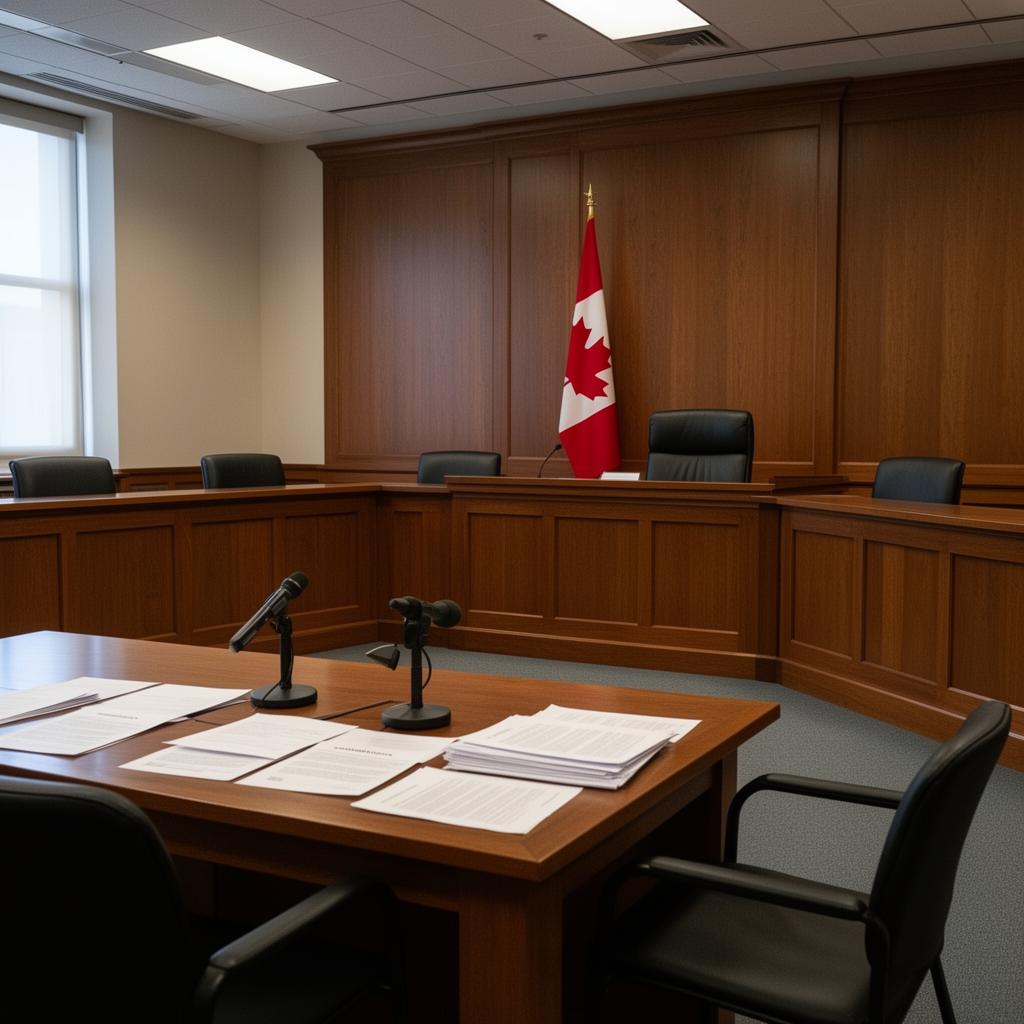
As an RCIC-IRB, we are authorized to represent clients before the Immigration and Refugee Board of Canada (IRB). We support people seeking Canada's protection from persecution, torture, or risk to life — from the initial claim through the hearing.
Who this is for
A quick way to see whether this category fits your situation.
- People inside Canada fearing persecution in their home country
- Claimants preparing for a Refugee Protection Division (RPD) hearing
- Failed claimants considering a Refugee Appeal Division (RAD) appeal
- Applicants for a Pre-Removal Risk Assessment (PRRA)
- Individuals applying on Humanitarian & Compassionate (H&C) grounds
- Permanent residents who have not met their residency obligation and seek relief on Humanitarian & Compassionate grounds
Programs & pathways
Refreshed against the latest IRCC guidance. We'll match the right pathway to your goals and timeline.
Inland refugee claims (RPD)
Refugee protection claims made from within Canada at a port of entry or inland IRCC office, decided by the Refugee Protection Division of the IRB.
- Basis of Claim (BOC) form preparation
- Country-condition evidence and disclosure package
- Hearing preparation and direct representation before the RPD
- Work permit and interim federal health coverage guidance
Refugee Appeal Division (RAD)
Appeals of negative RPD decisions, based on errors of fact, law, or mixed fact and law.
- Appeal record and written submissions
- New evidence motions where admissible
- Strategic assessment of grounds and timelines
Pre-Removal Risk Assessment (PRRA)
For people facing removal from Canada who would be at risk if returned to their country of nationality or residence.
- Eligibility and bar assessment
- Risk submissions with current country evidence
- Coordination with removal timelines
Humanitarian & Compassionate (H&C)
Permanent residence on H&C grounds for people with strong ties to Canada, hardship factors, or the best interests of a child directly affected.
- Establishment in Canada and community ties
- Best interests of the child analysis
- Adverse country conditions and hardship
Residency obligation appeals
Assistance for permanent residents who have not met the 730-day physical presence requirement and need to present Humanitarian & Compassionate factors to preserve their status.
- Assessment of days counted toward residency and exceptions
- Humanitarian & Compassionate submissions for residency relief
- Appeal representation and strategic case planning
How we work
Eligibility & risk review
We assess your claim, identify the right stream, and outline realistic outcomes.
Evidence & narrative
We build your BOC narrative and assemble country-condition evidence.
Hearing preparation
We prepare you for the IRB hearing — questions, credibility, documents.
Representation
We represent you at the RPD/RAD or file PRRA/H&C submissions on your behalf.
Frequently asked
Can you represent me at the IRB?+
Yes. An RCIC-IRB (Regulated Canadian Immigration Consultant with IRB specialization) is authorized by the CICC to represent clients before the Immigration and Refugee Board of Canada.
How long does a refugee claim take?+
Timelines vary by region and IRB workload. Many inland claims are heard within several months to two years of referral. We'll give you a realistic estimate for your situation.
Can I work while my claim is pending?+
Most claimants can apply for an open work permit after their claim is referred to the RPD and they complete the required medical exam.
Ready to take the next step?
Book a one-on-one consultation. We'll review your situation and map out the strongest pathway for you.
Source: Immigration and Refugee Board of Canada (IRB) and IRCC, canada.ca. Information is general guidance only and not legal advice.