
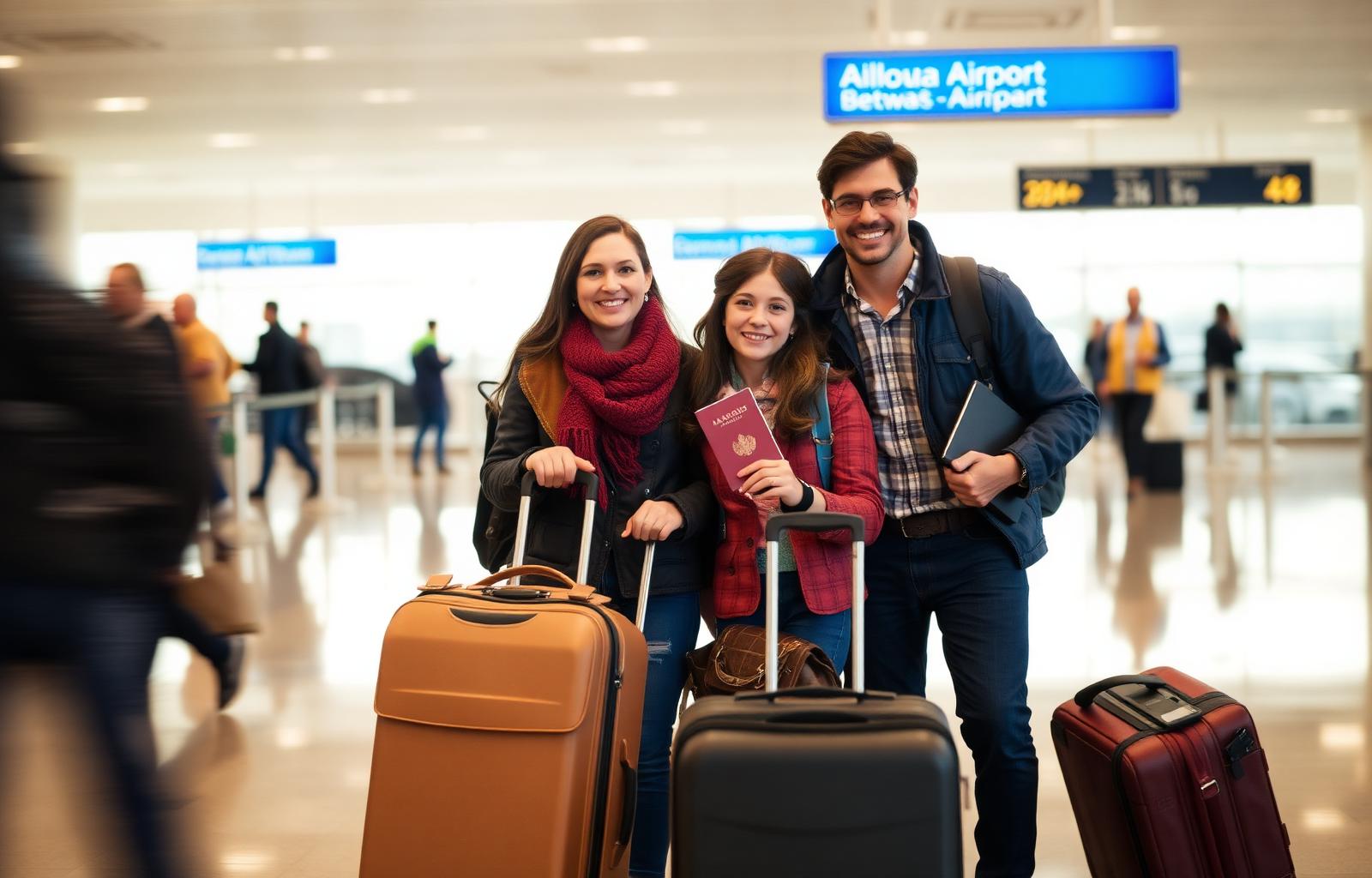
Temporary visas
Visit, study or reunite — temporary stays, done right.
From a short visit to a multi-year study program, every temporary application turns on the same question: can you show the officer you'll comply with the conditions of your stay? We prepare files that answer it convincingly.
Who this is for
A quick way to see whether this category fits your situation.
- Travellers needing a Visitor Visa (TRV) or eTA
- Parents and grandparents applying for the Super Visa
- Students with a Letter of Acceptance from a Designated Learning Institution
- Refused applicants who need a stronger reapplication
- Visitors wanting to extend their status from inside Canada
Programs & pathways
Refreshed against the latest IRCC guidance. We'll match the right pathway to your goals and timeline.
Visitor Visa (TRV)
A counterfoil placed in your passport that allows you to seek entry to Canada as a visitor for up to 6 months at a time.
- Proof of strong ties to your home country
- Sufficient funds for your stay
- Travel history and purpose of visit
- Single or multiple-entry (multiple-entry is now the default)
Electronic Travel Authorization (eTA)
Required for visa-exempt foreign nationals flying to or transiting through Canada. Linked to your passport, valid up to 5 years.
Super Visa (parents & grandparents)
A multiple-entry visa that lets parents and grandparents of Canadian citizens or PRs stay for up to 5 years per visit, valid for up to 10 years.
- Letter of invitation from the Canadian child/grandchild who meets minimum income (LICO)
- Medical examination
- Private medical insurance valid for at least 1 year, with minimum CAD $100,000 coverage — insurance may now be from select non-Canadian providers approved by IRCC
Study Permits (Canada)
Required for most programs longer than 6 months at a Designated Learning Institution (DLI).
- Letter of Acceptance from a DLI
- Provincial Attestation Letter (PAL) or Territorial Attestation Letter (TAL) for most post-secondary applicants since 2024
- Proof of funds — minimum has risen to CAD $20,635/year (plus tuition) since 2024
- Post-Graduation Work Permit (PGWP) eligibility depends on program length, level and (for some) field of study under updated 2024–2025 rules
Status extensions & restorations
If your status is expiring or recently expired, we prepare visitor record, work permit or study permit extensions — or restorations within the 90-day window.
How we work
Profile review
We assess your ties, finances, purpose and any prior refusals.
Document strategy
We build a file that anticipates the officer's concerns.
Submission
We submit online through the IRCC portal or VFS where required.
Decision & arrival
We support biometrics, decisions and port-of-entry preparation.
Frequently asked
Why are visitor visas often refused?+
The most common reasons are insufficient ties to your home country, weak travel history, and finances that don't match the stated trip. A well-prepared application addresses these directly.
How much do I need to show for a study permit?+
Since January 2024 the cost-of-living requirement is CAD $20,635 for a single applicant, in addition to first-year tuition and travel. More is required for accompanying family members.
Can I work while studying?+
Yes — eligible study permit holders can work off-campus up to 24 hours per week during academic sessions (under the rule effective late 2024) and full-time during scheduled breaks.
Ready to take the next step?
Book a one-on-one consultation. We'll review your situation and map out the strongest pathway for you.
Source: Immigration, Refugees and Citizenship Canada (IRCC), canada.ca. Requirements change frequently — confirm current rules before submitting.